
Add your title here
This is the text area for this paragraph. To change it, simply click and start typing. Once you've added your content, you can customize its design by using different colors, fonts, font sizes and bullets. Just highlight the words you want to design and choose from the various options in the text editing bar.
This is the text area for this paragraph. To change it, simply click and start typing. After adding your content, you can customize it.
Crowns That Fail Before Their Time
Dental Crown Repair in Scarborough for cracked, chipped, loose, or detached crowns requiring assessment and restoration
A crown that has cracked, come loose, or separated entirely from the underlying tooth stops functioning as protection the moment the seal breaks. Nathan Goff DMD provides dental crown repair in Scarborough, evaluating damaged or failed crowns to determine whether repair is viable or whether replacement is the more appropriate path. The assessment looks at both the crown itself and the tooth structure beneath it, because the condition of the underlying tooth is what determines which options are on the table.
Crown failure presents in several distinct patterns, and the cause behind each one affects the treatment plan. A crown that feels loose but is still physically present often indicates that the cement bond has broken down—a condition that may allow recementation if the crown is intact and the tooth underneath has not changed significantly. A crown that has cracked or chipped, by contrast, raises questions about whether the structural integrity of the restoration can be preserved or whether continued use would accelerate wear on the opposing teeth. Nathan Goff DMD evaluates each case against those specifics before recommending a course of action.
Arrange an evaluation at Nathan Goff DMD to have your crown assessed and receive a clear recommendation based on its current condition.
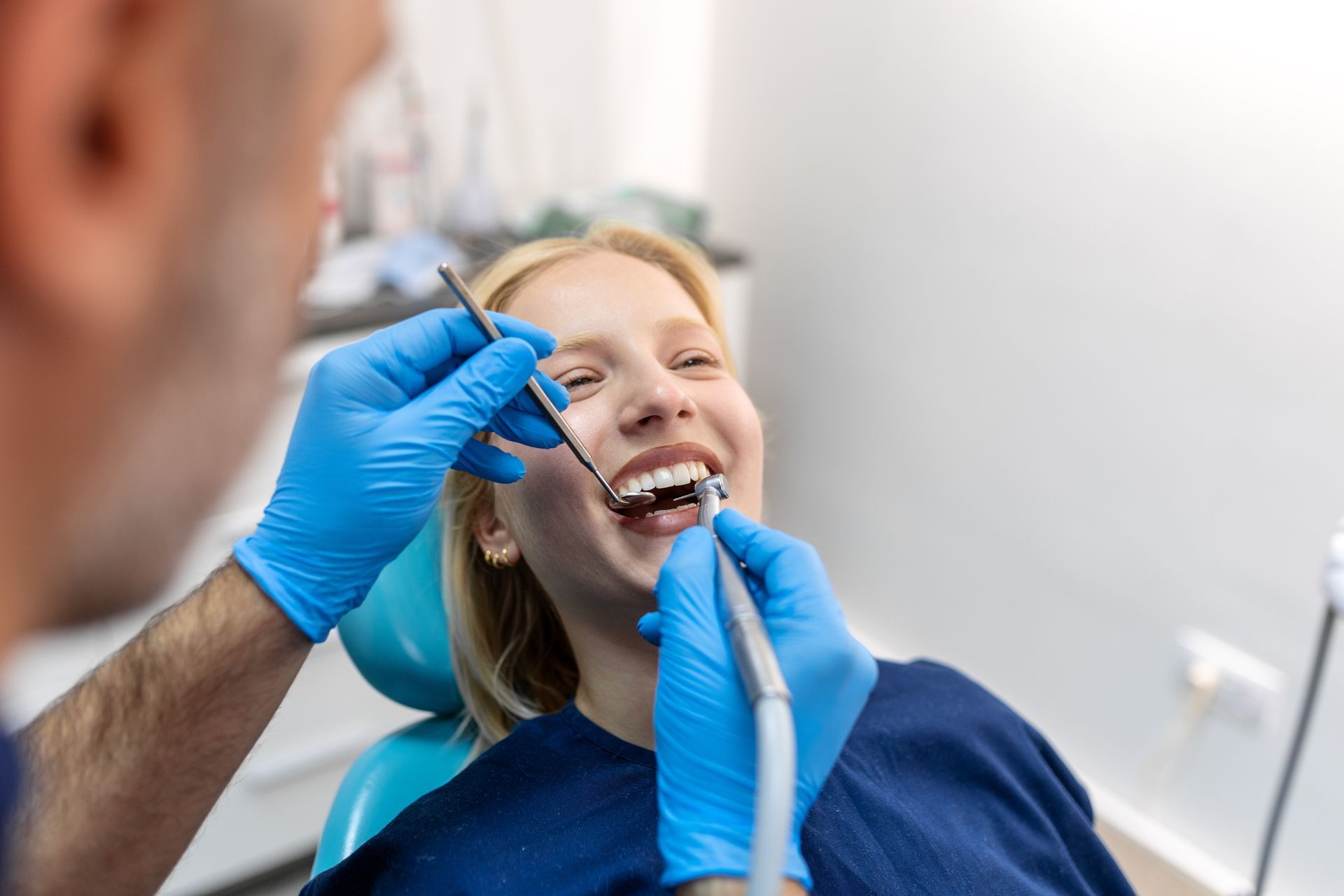
Evaluating a damaged crown involves more than a visual check of what is visibly broken. The fit between the crown and the prepared tooth, the margin seal along the gumline, and the condition of the tooth's remaining structure all factor into the assessment. At Nathan Goff DMD, imaging is used when the exam alone cannot confirm whether the underlying tooth has developed decay or fracture since the crown was placed—both of which are common contributors to crown failure and both of which affect what the repair or replacement involves.
Once the assessment is complete, patients have a clear picture of the crown's condition and what the recommended treatment addresses. A crown that is recemented sits flush against the tooth with a restored margin seal, eliminating the sensitivity and instability that often accompany a loose crown. A crown that is replaced restores proper coverage, bite contact, and protection for the underlying tooth—which is particularly important when the tooth has had a root canal and relies entirely on the crown for structural support.
Some crowns that appear externally damaged can still function effectively after targeted repair, while others that appear intact have failed at the margin where decay can enter undetected. The distinction matters because the wrong call in either direction creates a larger problem: unnecessary replacement wastes a functional restoration, while deferring a needed replacement allows decay or fracture to progress below the gumline where it is harder to treat..
Answers About How the Work Is Done
The questions below address how crown repair and replacement decisions are made, what the evaluation involves, and what patients can expect once work is completed.
How is the decision made between repairing and replacing a damaged crown?
The evaluation considers the extent of structural damage to the crown material, the condition of the underlying tooth, and whether the margin seal remains intact—if decay has entered through a compromised margin, repair alone does not address the underlying problem.
What happens to the underlying tooth when a crown comes loose or detaches?
An exposed prepared tooth is vulnerable to sensitivity, fracture, and contamination from oral bacteria, which is why prompt evaluation is important rather than leaving the tooth uncovered while waiting for a scheduled appointment.
Why do crowns placed on root-canal-treated teeth require particularly careful assessment?
A tooth without a living pulp cannot signal pain when something is wrong internally, so the crown is often the only visible indicator that a problem is developing—assessment must rely on imaging and structural examination rather than patient-reported symptoms.
What does a properly fitted replacement crown look like once it is placed?
The margins should sit flush with the prepared tooth at the gumline with no visible gap, the bite contact with opposing teeth should feel balanced, and there should be no sensitivity to pressure immediately after cementation once anesthesia clears.
How do older crown materials common in Scarborough patients affect the repair assessment?
Patients with older porcelain-fused-to-metal crowns may present with fractures along the porcelain facing that are not repairable with bonding, because the porcelain is under compression against a metal substructure—a situation where replacement with a current all-ceramic option is typically the more durable path.
Nathan Goff DMD evaluates crown damage with attention to both the restoration and the tooth it protects—schedule a consultation to review your crown's condition and discuss the treatment path that makes sense for your specific situation.