
Add your title here
This is the text area for this paragraph. To change it, simply click and start typing. Once you've added your content, you can customize its design by using different colors, fonts, font sizes and bullets. Just highlight the words you want to design and choose from the various options in the text editing bar.
This is the text area for this paragraph. To change it, simply click and start typing. After adding your content, you can customize it.
When a Dental Problem Cannot Wait
Emergency Dental Care in Scarborough for severe tooth pain, dental injuries, and urgent oral conditions
A knocked-out tooth, a fractured molar, or pain sharp enough to interrupt sleep all point to one thing: the situation requires same-day dental attention, not a wait-and-see approach. Nathan Goff DMD provides emergency dental care in Scarborough for patients dealing with conditions that fall outside the window of a scheduled appointment. The focus is on identifying what is driving the problem and addressing it before it progresses.
Emergency dental visits at Nathan Goff DMD begin with a focused evaluation of the affected area—examining the tooth, surrounding tissue, and bite relationship to determine what is structurally involved. A broken or chipped tooth, for example, may look like a surface problem but often carries deeper implications for the nerve or root depending on where the fracture line runs. Severe toothache cases follow a similar diagnostic path: the evaluation identifies whether the source is decay, a cracked root, abscess formation, or a failing restoration before any treatment recommendation is made.
To discuss an urgent dental situation and arrange an evaluation at Nathan Goff DMD, call the office directly or submit a request through the practice website.
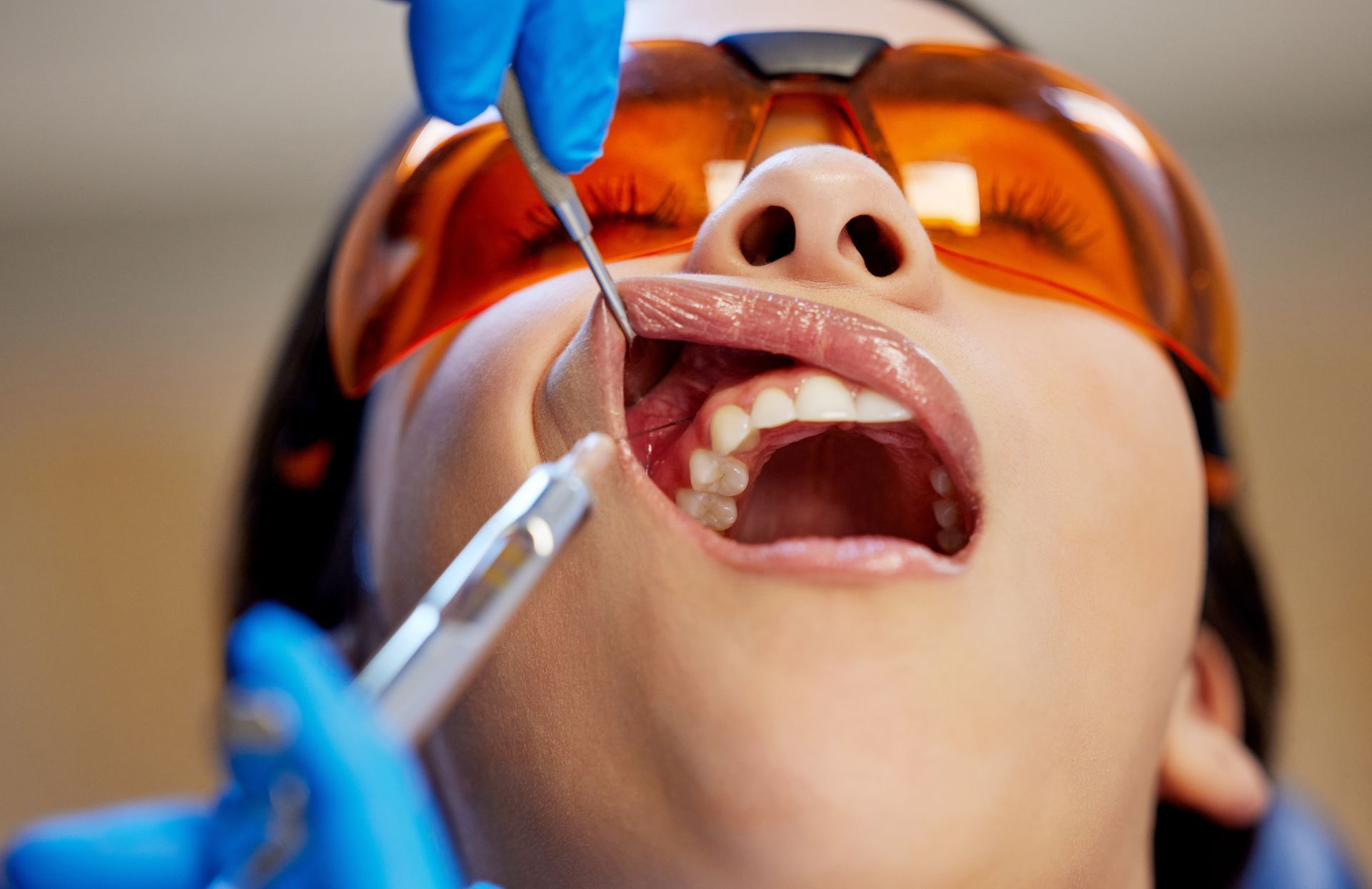
The sequence of an emergency dental visit matters because the cause of the problem determines what treatment is appropriate—and treating symptoms without identifying the cause produces incomplete results. At Nathan Goff DMD, each emergency case is assessed individually: imaging is used when the clinical exam alone cannot confirm what is happening below the gumline, and treatment is recommended only after the full picture is established. For dental injuries specifically, that assessment includes checking whether the tooth's pulp has been exposed or compromised, since that finding changes the treatment path significantly.
After treatment is completed, patients leave with a clear understanding of what was done, what the tooth's condition is going forward, and what follow-up may be needed. A tooth that received a temporary restoration will need a follow-up appointment for a permanent solution; a tooth that was stabilized after an injury may require monitoring over time. Those next steps are explained before the visit ends, so there is no ambiguity about what comes next.
Emergency dental care covers the immediate issue, but it also gives the treating dentist a direct view of factors that may have contributed to the problem—an old restoration under stress, a crack pattern that has been developing, or decay that was not yet symptomatic. That context shapes the longer-term plan for protecting the tooth.
What Patients Ask About Emergency Dental Visits
The following questions address how emergency dental care works in practice—what happens during the visit, how decisions are made, and what patients can do to support the tooth before they arrive.
What should you do with a broken tooth fragment before coming in?
If the fragment is clean, keep it moist in a small container of milk or saline and bring it to the appointment. In some cases the fragment can be bonded back depending on where the fracture occurred and how the edges align.
How is the cause of a severe toothache identified during an emergency visit?
The evaluation combines a clinical exam, percussion testing, and digital imaging to narrow down whether the source is decay, a fractured root, pulp inflammation, or an abscess—each of which requires a different treatment approach.
What happens when a dental injury involves soft tissue as well as the tooth?
Lacerations to the gum or lip are assessed alongside the tooth injury, and treatment is sequenced based on which issue is more urgent and how the two problems interact structurally.
Why does the location of a tooth fracture affect the treatment options?
Fractures that stop above the gumline leave more options available than fractures that extend into the root or below the bone level, where restoration becomes structurally difficult regardless of the material used.
How do older dental restorations in Scarborough-area patients factor into emergency assessments?
Many patients present with restorations placed decades ago—older amalgam fillings or early-generation crowns that behave differently under stress than current materials. Those prior restorations are factored into the evaluation because they can mask or contribute to the acute problem.
Nathan Goff DMD handles emergency dental care for patients throughout Scarborough and is available to evaluate urgent situations promptly—arrange an appointment by contacting the practice to describe your current condition.