
Add your title here
This is the text area for this paragraph. To change it, simply click and start typing. Once you've added your content, you can customize its design by using different colors, fonts, font sizes and bullets. Just highlight the words you want to design and choose from the various options in the text editing bar.
This is the text area for this paragraph. To change it, simply click and start typing. After adding your content, you can customize it.
Completing the Implant with a Crown That Fits
Dental implant crowns in Scarborough for replacing the visible portion of a missing tooth supported by an implant post
Nathan Goff DMD completes dental implant restorations in Scarborough by designing and placing crowns that integrate with the implant post already positioned in the jaw. A dental implant without a crown is an unfinished restoration — the post provides the structural foundation, but the crown is the functional, visible tooth that allows you to chew, speak, and smile normally. Once the implant site has healed and the post is stable, a properly fitted crown closes out the process and gives the implant its working form.
The crown design process involves selecting a shape, size, and shade that corresponds to the surrounding teeth. When the implant site, bite alignment, and adjacent tooth proportions are evaluated together, the crown can be matched closely enough that it does not stand out visually from the natural teeth around it. The fitting process accounts for how the crown seats onto the abutment, how it meets the opposing teeth during biting, and how it occupies the space in the arch without crowding neighboring teeth.
To begin the implant crown process at Nathan Goff DMD, schedule a consultation to review the current state of your implant and discuss the restoration steps ahead.
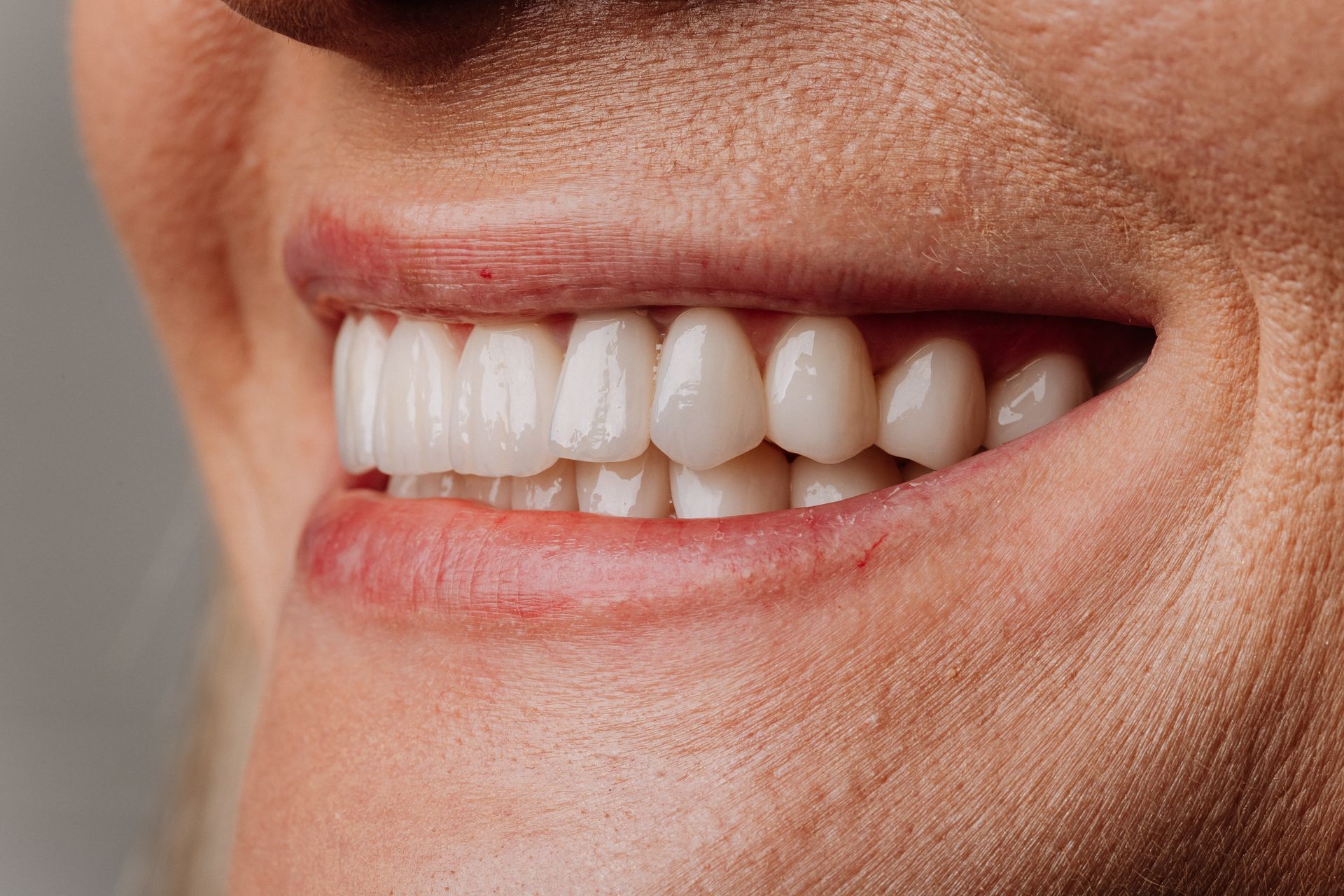
Completing an implant restoration with a crown requires more than selecting a tooth shade. The abutment — the connector piece between the implant post and the crown — must be correctly sized and angled so the crown seats without gaps or pressure points. If the abutment height or emergence profile is not matched to the gum tissue contour, the final crown may sit in a way that traps food or creates an unnatural appearance at the gumline.
Once the crown is placed and properly adjusted, the restored tooth functions the way a natural tooth does in that position. You will be able to bite and chew without redirecting pressure to adjacent teeth, which is one of the mechanical problems that develops when a missing tooth goes unrestored over time. The crown also prevents the gradual shifting that surrounding teeth undergo when a gap remains open in the arch.
The crown material selected for your restoration depends on where in the arch the implant is located. Posterior teeth that absorb heavier chewing forces may call for a different material choice than front teeth where appearance is the primary consideration. Nathan Goff DMD reviews these factors with you before the crown is fabricated so the final restoration fits both the functional demands of that tooth position and your preferences for appearance.
Answers About How the Implant Crown Work Is Done
The questions below address the implant crown process itself — how the crown is designed, what preparation is involved, and what you will notice once the restoration is complete.
What does the implant crown fitting appointment involve?
Impressions or digital scans of your arch are taken so the crown can be fabricated to the exact dimensions of the implant site. The abutment is also evaluated at this stage to confirm it is properly positioned before the final crown is ordered.
How is the crown shade matched to surrounding teeth?
The shade selection process compares the crown material against adjacent natural teeth under consistent lighting conditions, accounting for the translucency of the material so the crown does not appear flat or opaque next to natural enamel.
Why does the bite need to be checked after the crown is placed?
Even small discrepancies in bite alignment can concentrate force on the crown or the implant post in ways that cause discomfort or long-term stress on the restoration, so the occlusal contact is adjusted before the appointment is complete.
What should you do to maintain an implant crown once it is placed?
Implant crowns are cleaned the same way natural teeth are — brushing, flossing, and regular hygiene visits — though flossing technique around the crown margin matters for keeping the gum tissue at the implant site healthy.
How does the condition of the gum tissue around the implant site affect the crown outcome?
If the gum tissue has not fully stabilized after implant placement, the crown margin may not seat at the correct depth, which is one reason the restorative appointment is typically scheduled only after the site has fully healed.
If you have an implant post already in place and are ready to discuss the crown restoration, Nathan Goff DMD can review your implant records and walk through the design and fitting process at your next appointment.